2 Articles in this category
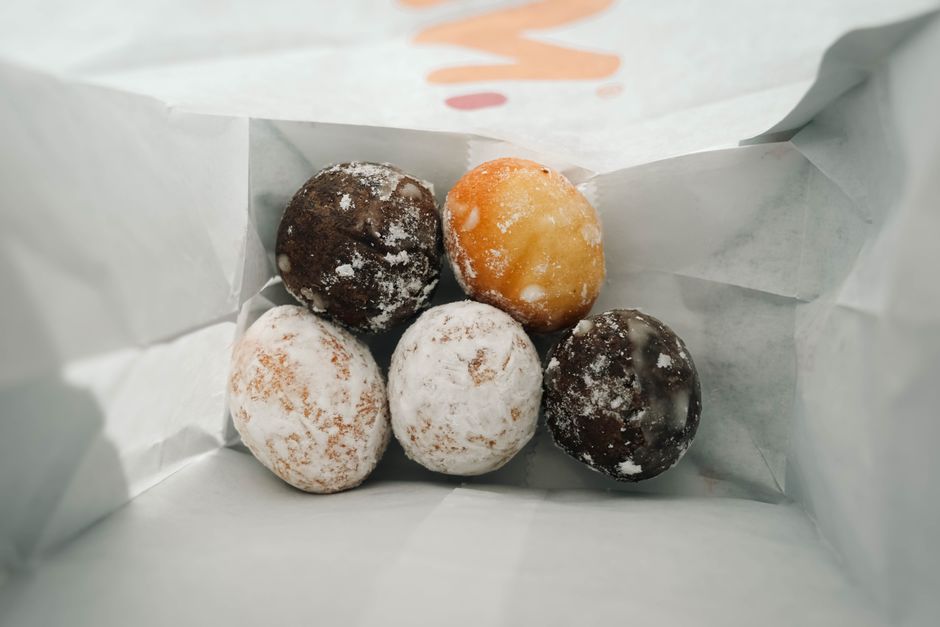
You opened the app for a simple medium iced coffee, but 10 minutes later your cart contains a breakfast sandwich and a half-dozen donuts. This isn't a failure of willpower; it's a carefully engineered trap. We'll expose the subtle design choices and behavioral nudges that turn your simple Dunkin' craving into an expensive impulse buy. These platforms are not merely digital menus; they are sophisticated persuasion engines designed to maximize your cart size by exploiting predictable patterns in human psychology. From the moment you tap the icon, a series of cognitive triggers are activated to guide you away from your single-item purchase and toward a full-blown meal.
You saw the headline and your heart sank. The sadness feels surprisingly real, almost as if you knew them personally—but why? This reaction isn't strange or misplaced; it's a powerful psychological phenomenon that reveals the deep connection between their public story and your own life. This grief, often misunderstood and dismissed as trivial, is rooted in the intricate architecture of the modern human brain and our innate need for connection. We call this a 'parasocial relationship'—a one-sided, intimate bond we build with figures we only see through a screen. When that figure is gone, the brain processes the loss in a way that is startlingly similar to losing someone in our physical lives. This article deconstructs that bond, exploring not the death itself, but the profound psychological reasons your sadness is both real and valid.